|
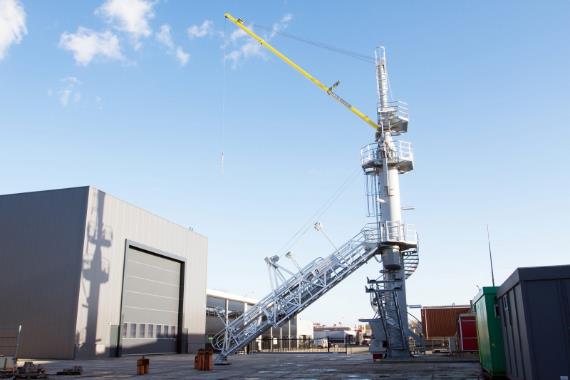
Chemical and petrochemical sites handle substances that can be flammable, toxic or corrosive, which raises the stakes for every task carried out at height. Loading and unloading tankers is a routine activity in these plants, yet it involves opening hatches, connecting hoses and handling samples on top of vehicles. A gangway designed for this environment must therefore do more than prevent falls. Materials need to withstand chemical exposure, and in areas where explosive atmospheres can occur, components must be selected so they do not create sparks. Drainage and grating that does not trap spilled product are equally important. Specialists such as Gangway Solutions understand that every installation in such a plant is part of a wider safety system, where access equipment, ventilation and procedures work together to keep people and assets protected. Integrating access equipment into plant safetyIn a chemical environment, access equipment cannot be considered in isolation. The position of each gangway has to fit with emergency routes, fire suppression systems and the layout of pipelines and loading arms. Operators may wear heavy protective clothing and breathing apparatus, which limits their mobility and field of vision, so walkways need to be wide enough and controls easy to operate with gloves. Some sites choose a dependable access system with safety cages that lower around the hatch, giving workers full protection without extra steps. Regular drills help staff practise emergency evacuation from height, and clear signage shows where equipment may and may not be used. When planning and engineering go hand in hand, a gangway becomes an integrated part of the plant rather than an afterthought. Bring your access equipment in line with plant safetySafety in a chemical plant is only as strong as its weakest link, and access at height is often one of them. Involve your safety officer, operators and maintenance team when evaluating the current situation. Together, they can identify where equipment falls short of the demands of your products and processes. With a clear picture, choosing suitable upgrades becomes far simpler. Take that step now and close a gap that too many sites leave open. |